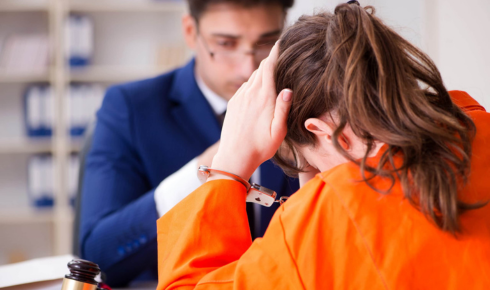
Yes. In Indianapolis, criminal defense lawyers regularly handle cases involving first-time offenders. Indiana law recognizes that individuals with no prior criminal record may deserve leniency, alternative sentencing, or opportunities for rehabilitation instead of harsh penalties. Experienced Indianapolis criminal defense lawyers evaluate whether diversion programs, conditional discharges, or plea agreements can protect your record and minimize long-term consequences.
Our legal team understands the sensitivity of first-offense charges. Skilled Indianapolis criminal defense lawyers examine every detail of your arrest, assess the prosecutor’s evidence, and identify weaknesses that may lead to dismissal or reduced penalties. This approach focuses on protecting your reputation, career, and future while ensuring fair treatment under Indiana’s criminal justice system.
What Counts as a First-Time Offense in Indiana?
A first-time offense in Indiana generally refers to your first encounter with the criminal justice system, meaning your first formal arrest, charge, or conviction for a misdemeanor or felony. Courts and prosecutors recognize that many individuals make a single mistake and therefore treat first-time cases differently from repeat offenses.
Common first-time offenses handled by Indianapolis criminal defense lawyers include:
- Operating While Intoxicated (OWI/DUI): Driving under the influence of alcohol or drugs, even with no prior record.
- Possession of Controlled Substances: Simple possession of marijuana, prescription medication, or paraphernalia.
- Theft and Shoplifting: Minor property crimes involving first-time allegations of intent to steal.
- Disorderly Conduct or Public Intoxication: Low-level offenses often resulting from one-time incidents.
- Domestic Battery or Simple Assault: Situations that arise during family or personal disputes without prior violence.
- Traffic-Related Misdemeanors: Reckless driving or driving on a suspended license may also fall under first-time charges.
Even if you’ve received previous traffic tickets or civil infractions, these are not typically considered criminal convictions and usually do not affect your eligibility for first-offender status. However, Indiana courts don’t apply a single rule to every case. Prosecutors and judges weigh various factors before deciding whether a defendant qualifies as a first-time offender, such as:
- The severity and nature of the alleged crime.
- Whether the offense involved violence, weapons, or injuries.
- The defendant’s age, employment, education, and community record.
- Any aggravating or mitigating circumstances surrounding the event.
- The impact on victims or public safety concerns.
An experienced Indianapolis criminal defense lawyer evaluates your full background, charge classification, and available legal remedies. This helps determine whether your case qualifies for a first-offender program, diversion agreement, or other alternative sentencing options that may prevent a permanent criminal record.
How Do Courts Treat First-Time Offenders in Indianapolis?
Courts in Indianapolis generally take a more lenient and rehabilitative approach toward first-time offenders, focusing on education, treatment, and community accountability rather than incarceration. The goal is to prevent future offenses and give individuals the chance to rebuild their lives without the long-term burden of a criminal conviction.
Judges in Marion County often rely on alternative sentencing programs that balance accountability with rehabilitation, such as:
- Conditional Discharges: The court delays judgment and dismisses charges after the defendant completes counseling, education programs, or community service.
- Pretrial Diversion Agreements: Prosecutors allow defendants to avoid prosecution by meeting conditions like restitution or treatment participation.
- Suspended Sentences: Jail time is suspended in favor of probation or monitored community service.
- Deferred Adjudication: The judge postpones entering a conviction until the defendant fulfills all agreed-upon terms.
- Specialty Courts: Programs like Drug Court or Veterans Court emphasize recovery and structured supervision.
For example, someone facing a first-time drug possession or theft charge may qualify for a diversion or treatment program instead of jail. Upon successful completion, the court can dismiss the case, leaving the defendant with no conviction on record.
This rehabilitative model reflects Indiana’s commitment to second chances, allowing individuals to address the causes of their behavior, maintain employment, and preserve their reputation while still being held accountable under the law.
What Are Common Legal Strategies for First-Offender Cases?
Indianapolis criminal defense lawyers use several strategies to protect first-time defendants, depending on the charges and available evidence. Common approaches include negotiating plea deals, pursuing diversion programs, challenging unlawful police procedures, and presenting mitigating factors to secure reduced penalties or case dismissal.
1. Diversion or Deferral Agreements:
Available for many misdemeanors, these agreements postpone prosecution while the defendant completes certain conditions, such as counseling or restitution.
2. Plea Negotiation:
Attorneys may negotiate reduced charges or seek probation instead of incarceration, especially when the evidence is weak or mitigating factors exist.
3. Suppression of Evidence:
If police violated search, seizure, or Miranda rules, the defense may request that evidence be suppressed, which could lead to the dismissal of the case.
4. Expungement Guidance:
If convicted, first-time offenders may still qualify to have their record expunged after a waiting period, preventing long-term harm to employment or housing prospects.
What Evidence Do Defense Lawyers Review in First-Time Cases?
In Indianapolis, criminal defense lawyers conduct a thorough review of all available evidence to identify weaknesses in the prosecution’s case. This includes examining arrest reports, police body-camera footage, officer notes, and witness statements to ensure that every stage of the investigation complied with Indiana’s criminal procedure laws. Attorneys also review forensic test results, surveillance footage, and chain-of-custody documentation to verify that evidence was collected and stored correctly.
A critical part of the defense process involves determining whether law enforcement acted within constitutional limits. Lawyers assess whether the police had probable cause for the stop or arrest, whether search and seizure rules were followed correctly, and whether Miranda rights were read before any questioning. Even minor procedural errors, such as a missing warrant or improper testing of substances, can significantly affect the validity of the evidence presented in court.
When violations are discovered, defense attorneys can file motions to suppress evidence that was obtained unlawfully. Examples include coerced confessions, faulty breathalyzer results, or mishandled forensic samples. Challenging such evidence often leads to dismissed charges, reduced penalties, or more favorable plea negotiations. By exposing inconsistencies and procedural mistakes, Indianapolis defense lawyers work to ensure that first-time offenders receive a fair trial and the opportunity for rehabilitation rather than an unjust conviction.
Can First-Time Offenders Avoid Jail Time?
In many cases, first-time offenders in Indianapolis can avoid serving jail time altogether. Indiana courts often recognize that individuals with no prior record are less likely to reoffend and may benefit more from rehabilitation programs than incarceration. Judges frequently impose alternative sentences, such as probation, community service, counseling, restitution, or participation in pretrial diversion programs, which allow defendants to demonstrate responsibility and accountability without entering the correctional system. For low-level, non-violent misdemeanors, compliance with these programs can lead to case dismissal and eligibility for expungement of records.
However, not all first-time offenders qualify for leniency. Serious crimes such as felony assault, large-scale drug distribution, or repeat OWI within seven years may carry mandatory jail or prison terms under Indiana sentencing statutes. In such cases, a skilled Indianapolis criminal defense lawyer can advocate for reduced penalties by presenting mitigating factors like steady employment, active community involvement, or lack of criminal intent.
By emphasizing a defendant’s character, cooperation, and willingness to reform, defense attorneys help courts view first-time offenders as individuals deserving of a second chance rather than a permanent criminal label. Understanding the difference between probation and parole is also crucial when discussing sentencing alternatives. Probation allows offenders to serve their sentence under supervision instead of incarceration, while parole involves early release from prison under specific conditions.
What Happens After Completing a Diversion Program?
When a defendant completes an Indianapolis diversion program, the prosecutor typically files a motion to dismiss the charges, meaning the case does not result in a conviction. This outcome is especially beneficial for first-time offenders because it prevents a permanent criminal record. Diversion requirements often include counseling sessions, community service, restitution payments, educational courses, or periodic check-ins with a probation officer or case manager.
Completing all assigned conditions demonstrates accountability and rehabilitation, which courts view favorably. Once the case is officially dismissed, the individual becomes eligible for record sealing or expungement under Indiana law. This process restores privacy, removes public access to criminal records, and helps preserve future opportunities for employment, housing, and licensing. A knowledgeable Indianapolis criminal defense lawyer ensures all legal steps are correctly completed, verifies that the dismissal is recorded accurately, and files the necessary petitions to clear your record permanently.
How Do Prior Infractions Affect First-Offender Status?
In Indiana, not all prior incidents automatically disqualify someone from being considered a first-time offender. Minor civil infractions such as parking tickets, speeding violations, or seatbelt citations are not criminal offenses and generally do not affect eligibility for first-offender programs or diversion opportunities. Courts understand that these infractions are part of normal driving behavior and are not reflective of criminal intent or character.
However, prior criminal convictions or completed diversion agreements can complicate a defendant’s status. Suppose someone previously participated in a diversion or probation program for a similar crime. In that case, prosecutors may classify the new charge as a repeat or subsequent offense, even if there was no formal conviction. This classification can limit access to alternative sentencing or first-time offender benefits.
Indianapolis criminal defense lawyers carefully review your legal background to determine how prior issues may impact your current case. They analyze factors such as:
- Whether previous charges resulted in a conviction, dismissal, or deferred judgment.
- If the prior offense occurred in another state or jurisdiction.
- Whether it involved a similar or related charge (for example, two OWI arrests).
- How much time has passed since the earlier incident?
- Whether records have been sealed or expunged since the prior event.
A defense attorney can argue that unrelated or non-criminal behavior, such as traffic violations or youthful mistakes, should not increase penalties in your present case. By presenting this evidence effectively, lawyers help ensure you are treated relatively under Indiana’s first-offender standards, maximizing your chance at a second opportunity without long-term consequences.
FAQs
Can a First-Time Offender Get a Felony Reduced to a Misdemeanor?
Yes. Under Indiana’s sentencing laws, certain lower-level felonies like theft or possession can be reduced to misdemeanors after completing probation, restitution, or community service. Courts often approve these reductions for cooperative defendants who demonstrate rehabilitation, helping preserve employment, education, and a clean record.
How Long Does a First Offense Stay on Your Record?
A criminal conviction in Indiana remains on record indefinitely unless expunged. Many first-time misdemeanors qualify for expungement after five years, while certain felonies can be cleared after eight. Expungement restores privacy and prevents employers or landlords from viewing past criminal records.
What Is a Conditional Discharge in Indiana?
A conditional discharge allows the court to dismiss a charge once conditions like counseling, community service, or drug testing are fulfilled. It’s typically available for minor, non-violent offenses. Successful completion avoids a conviction and maintains eligibility for future expungement.
Can a First-Time OWI Be Dismissed?
Yes. If officers made procedural or testing errors during your arrest, the case may be dismissed. Indianapolis criminal defense lawyers often challenge breathalyzer accuracy, field sobriety tests, or probable cause. Proven violations can lead to charge reduction or full dismissal.
Are Diversion Programs Available for Domestic Battery?
Availability depends on the county and case circumstances. Some prosecutors exclude domestic battery from diversion due to its seriousness. However, skilled attorneys may negotiate counseling-based or deferred adjudication agreements that prioritize rehabilitation and accountability over punishment.
Schedule a Confidential Consultation With Eskew Law To Protect Your Record as a First-Time Offender in Indianapolis!
Facing a criminal charge for the first time can feel overwhelming and uncertain. One mistake, misunderstanding, or lapse in judgment shouldn’t determine your entire future. Whether you’re accused of DUI, theft, or another first-time offense, quick action can make a significant difference in how your case unfolds. The sooner you seek legal representation, the better your chances of preserving your clean record and avoiding long-term consequences.
At Eskew Law, our experienced Indianapolis criminal defense attorneys understand how high the stakes are when facing your first charge. We take the time to analyze every detail, challenge unlawful evidence, and negotiate for outcomes that protect your rights and reputation. With a strong defense strategy, you can move forward with confidence knowing your case is in capable hands and your future remains intact.


Leave a Reply